
Technical Forum
Professional insights and technical analysis from the AIC Engineering team on magnetic materials, magnetic sensors, motor design, and application engineering.
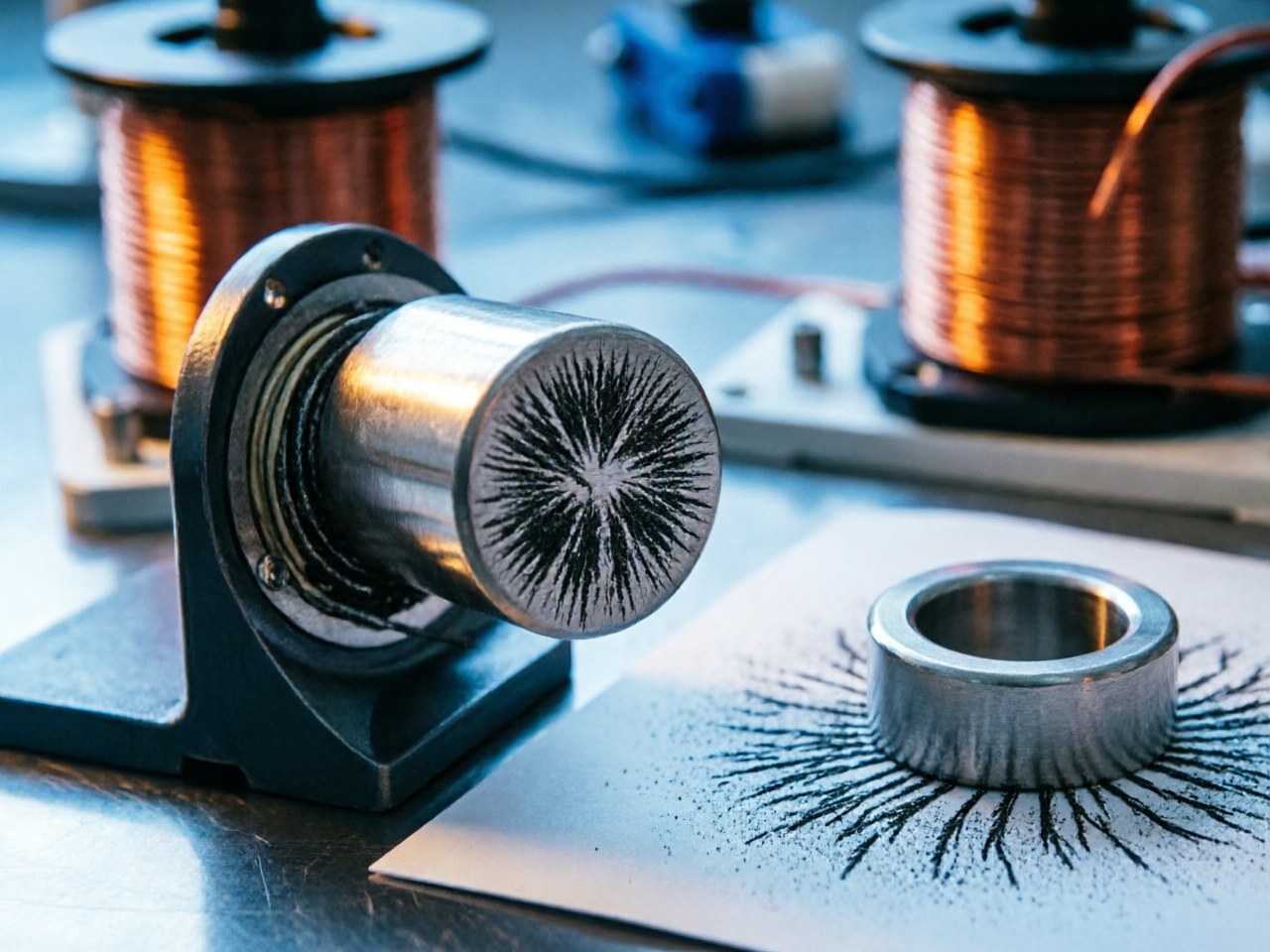
What Are the Magnetization Directions for Permanent Magnets? Axial, Radial, Multipole, and Skewed Pole Magnetization Explained
Selecting the optimal magnetization direction for permanent magnets is a critical yet frequently overlooked design decision that directly impacts motor torque ripple, sensor signal fidelity, coupling efficiency, and system noise. This article bridges the gap between…

How to Choose Coatings for NdFeB Magnets? Difference Analysis of Nickel-Copper-Nickel, Epoxy, and Phosphating
Sintered NdFeB magnets deliver exceptional magnetic performance but suffer from inherent corrosion vulnerability due to their iron-rich microstructure. Inappropriate surface protection frequently leads to field failures such as flux degradation, delamination, and white powder…
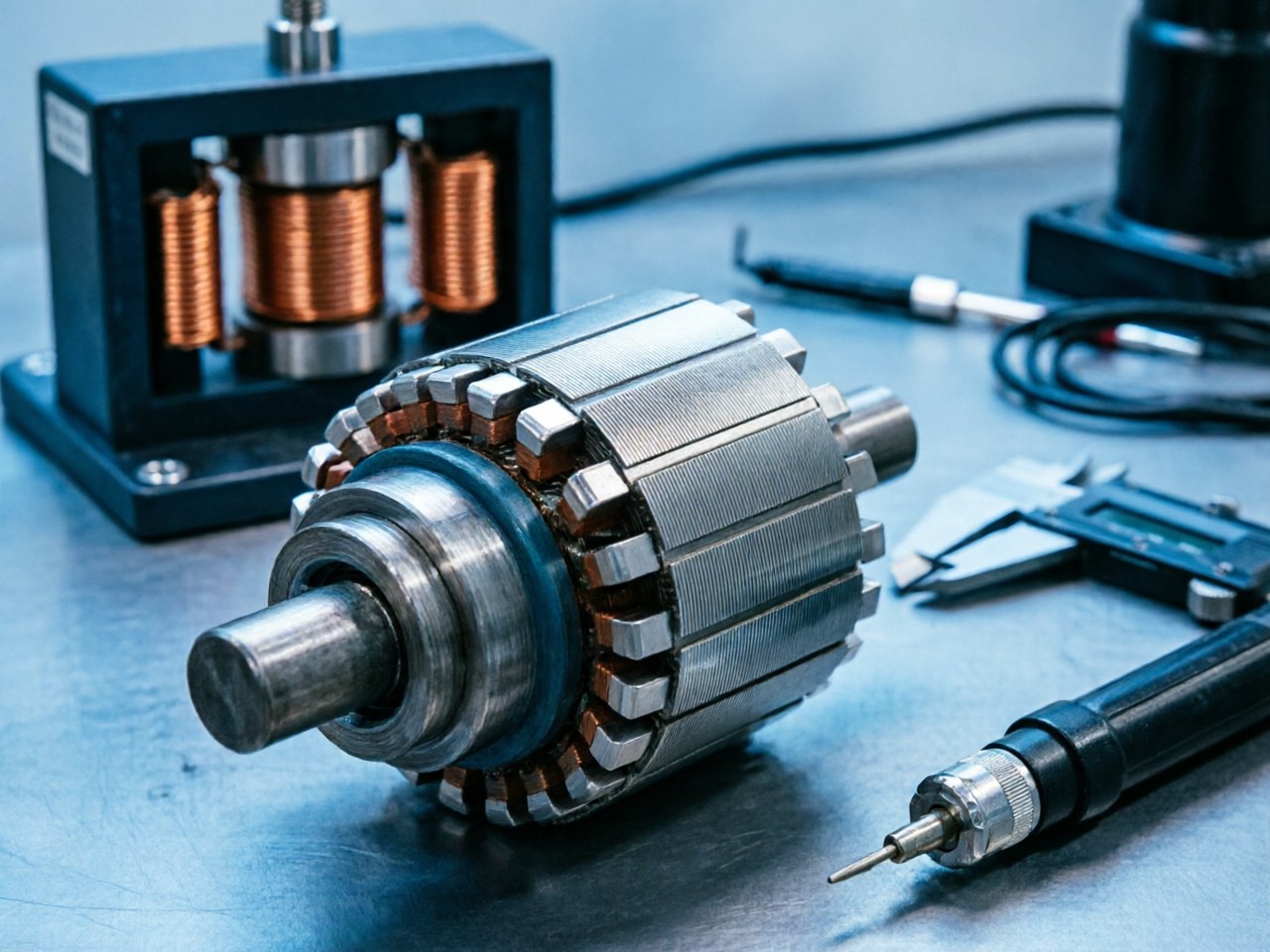
How to Select Permanent Magnets for Motor Rotors: Materials, Magnetic Circuits, and Magnetization Methods Explained
Selecting permanent magnets for electric motor rotors requires balancing magnetic performance, thermal resilience, and supply chain stability. Engineers often face cascading trade-offs where an undersized grade increases inverter current and thermal stress, while an overly…
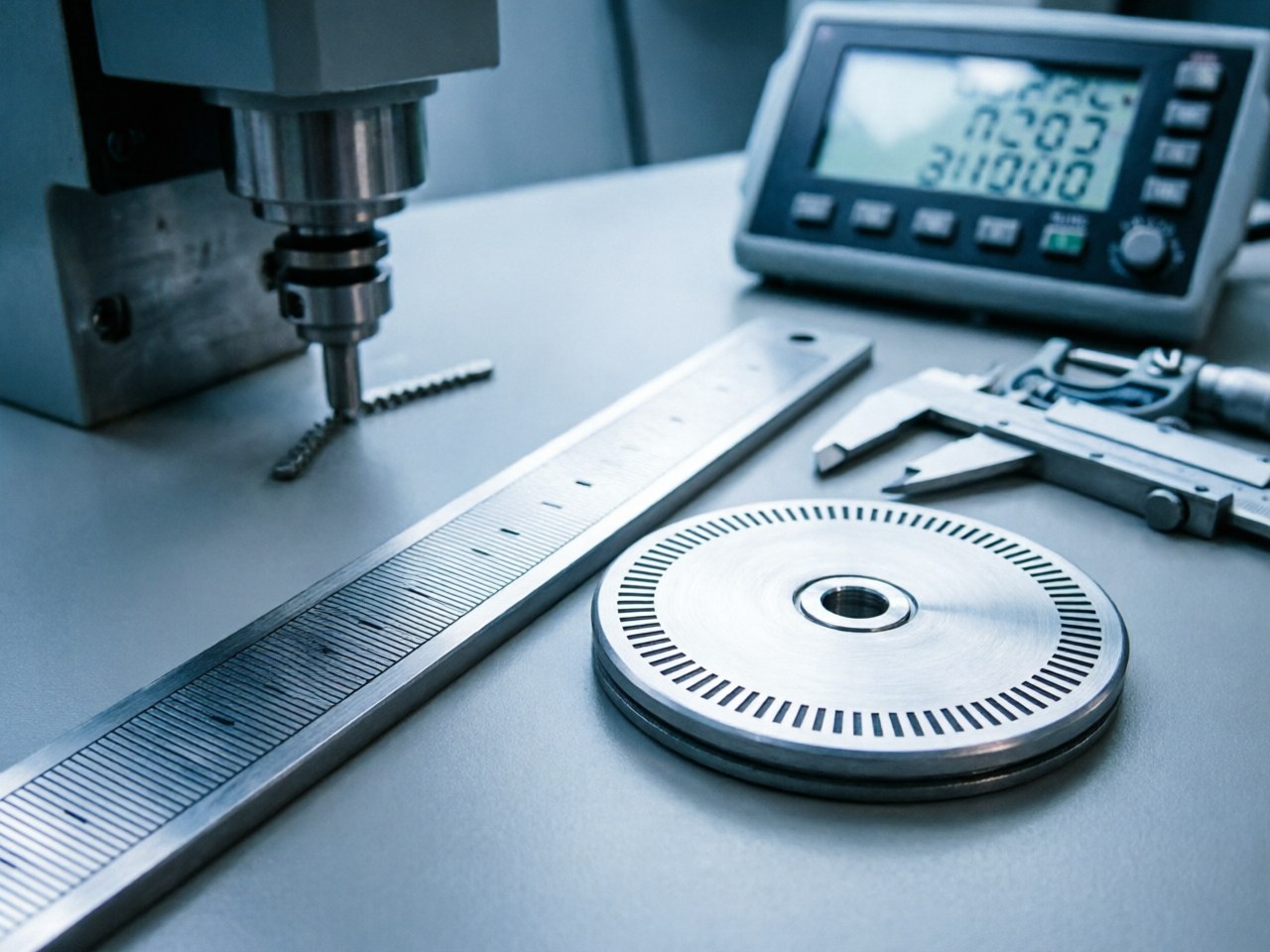
Differences Between Magnetic Scales and Precision Code Discs: How to Select Magnetic Encoding Products
Precision motion control systems in CNC machinery, robotics, and semiconductor equipment face a critical selection challenge when specifying magnetic feedback components. Choosing between linear magnetic scales and rotary precision code discs directly impacts positioning…
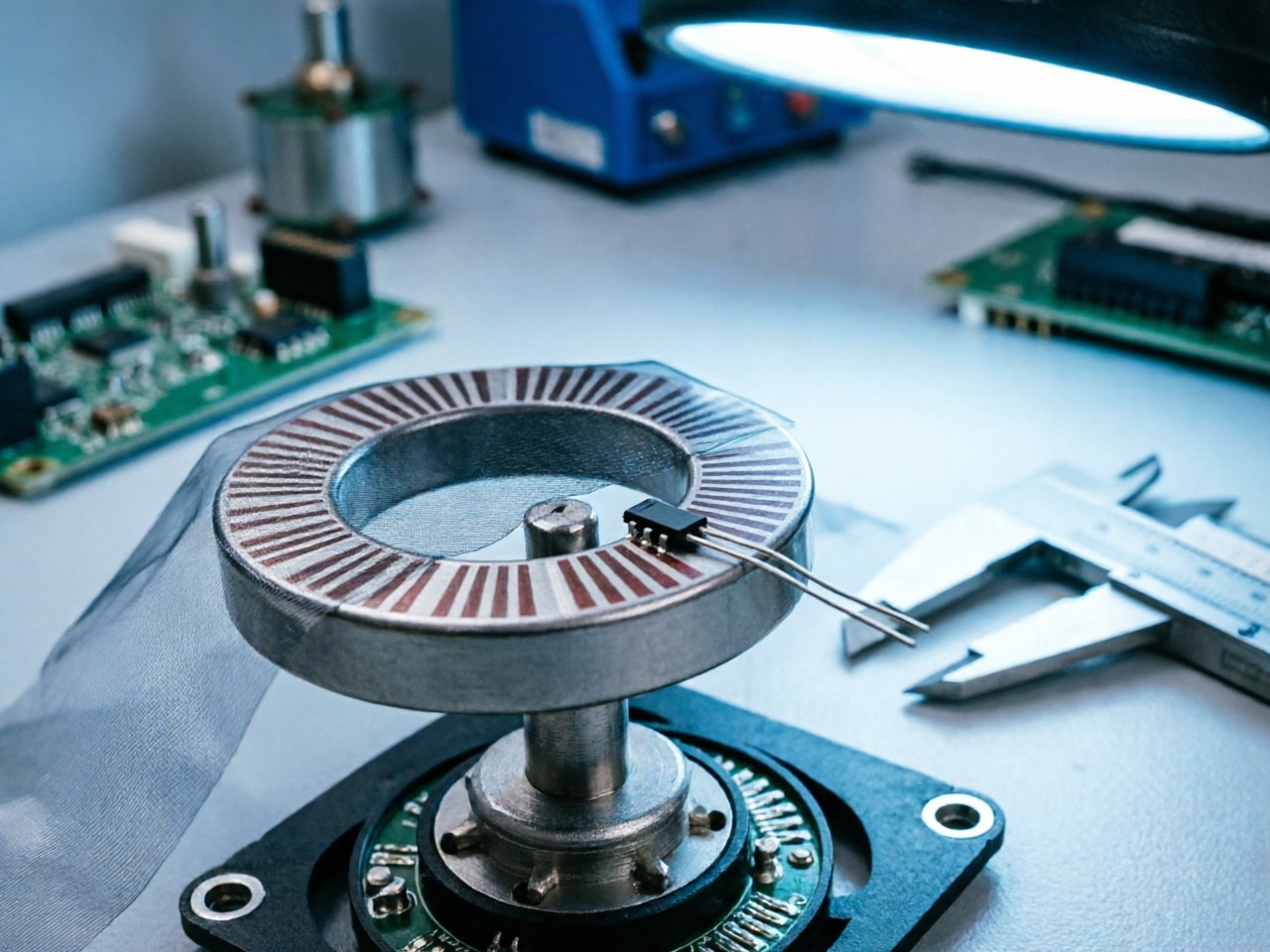
How to Design Magnets for Hall Sensors: Key Considerations on Pole Count, Dimensions, and Field Distribution
Author: AIC Engineering (骏材磁应用团队) | Material: | Industry: Key Considerations on Pole Count, Dimensions, and Field Distribution Why Hall Sensor Magnet Design Is Harder Than It Looks
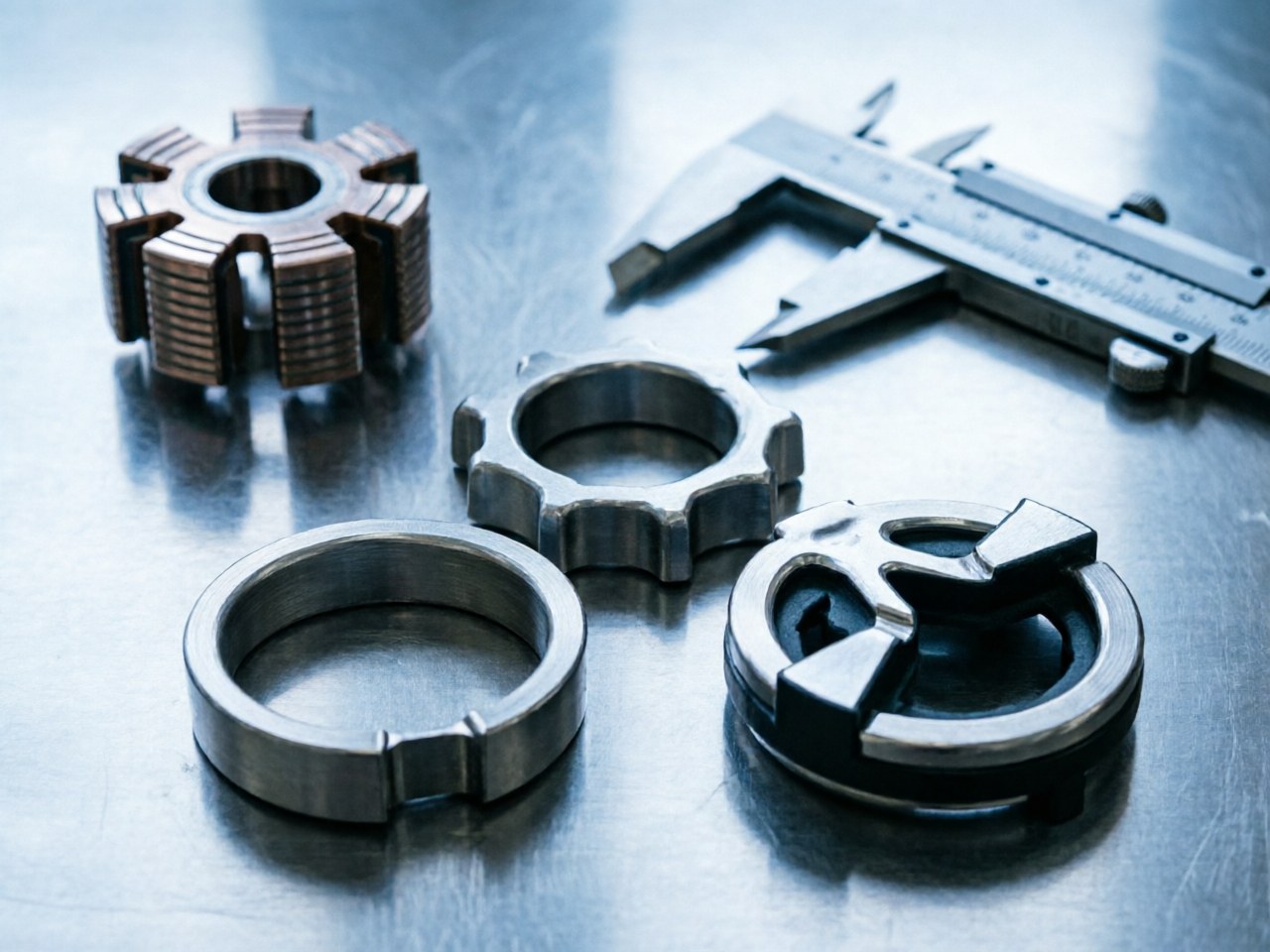
What Complex Structures Are Injection-Molded NdFeB Magnets Suited For? Process Characteristics and Application Analysis
Precision electromechanical systems frequently require magnets with irregular cross-sections, thin walls, or integrated metal-plastic assemblies, yet conventional sintered NdFeB is constrained by brittleness and secondary machining costs. This article evaluates…
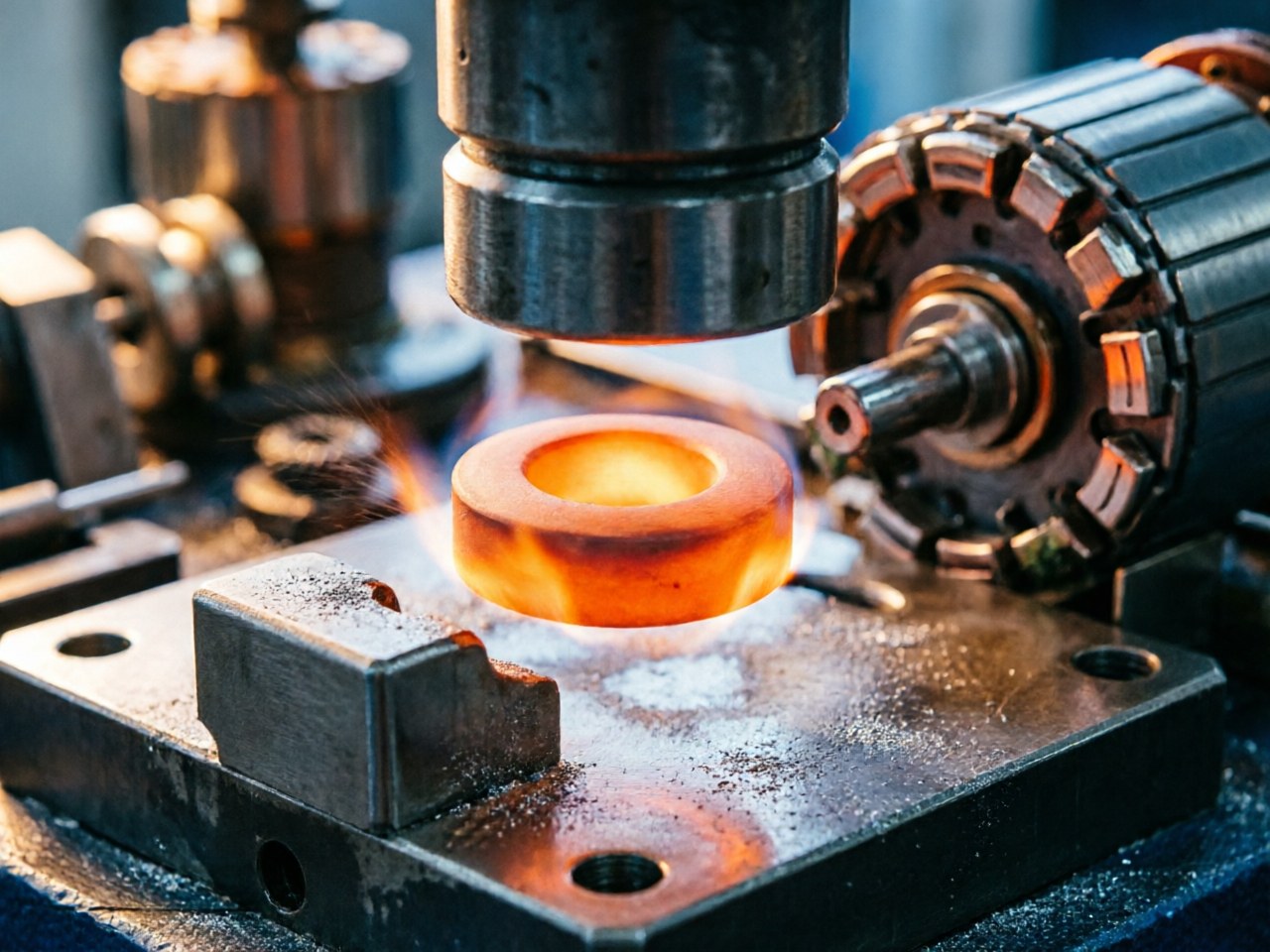
Manufacturing Process and Advantages of Hot-Pressed NdFeB Magnets: Why They Suit High-Performance Motors
High-performance motor designers face a persistent trade-off between maximizing torque density and managing the brittleness, material waste, and assembly risks of conventional sintered NdFeB magnets, especially for thin or complex rotor geometries. This article examines the…
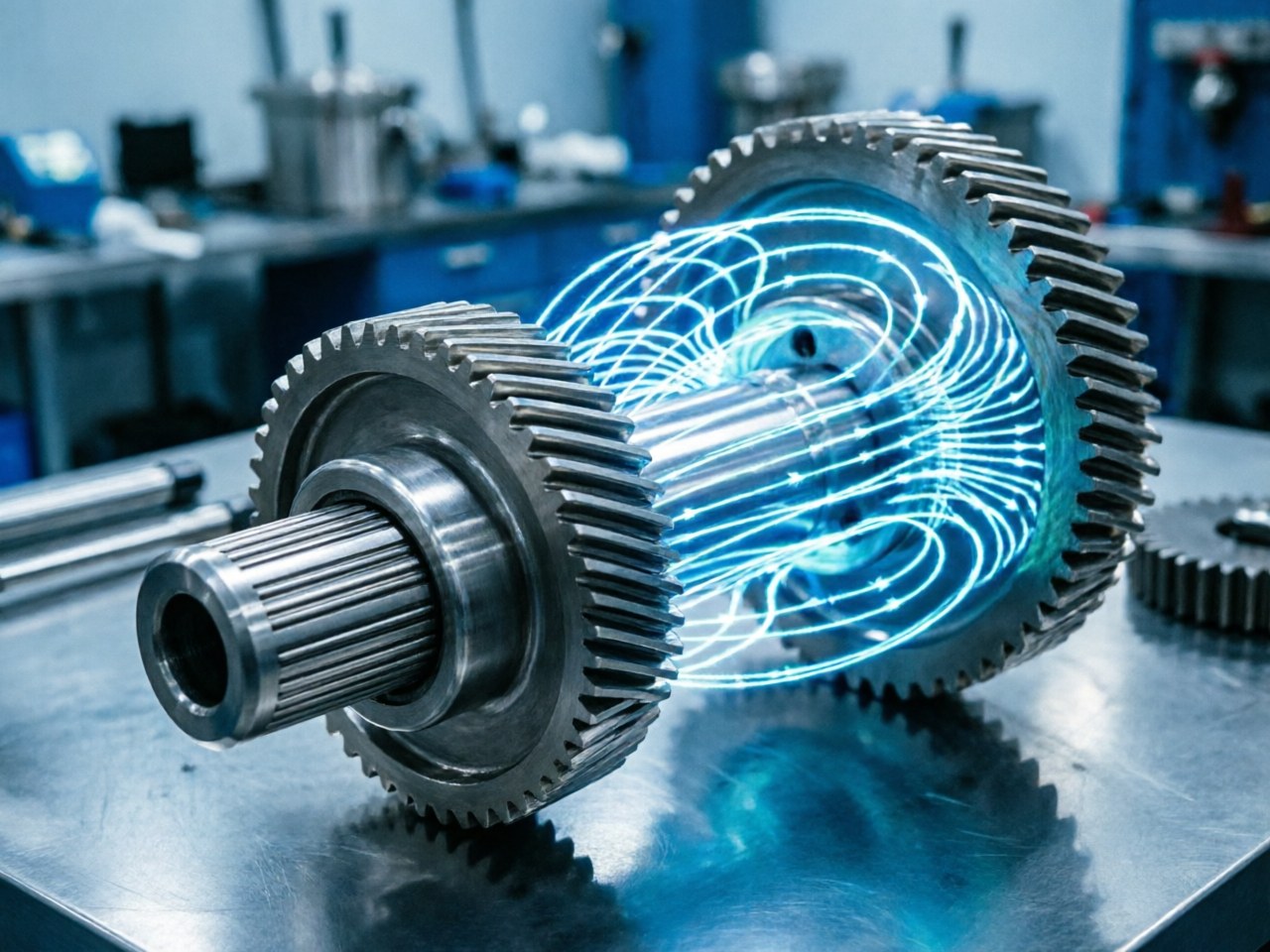
Understanding the Working Principle of Magnetic Gears: A Magnetic Component Selection Guide
Understanding the Working Principle of Magnetic Gears: A Magnetic Component Selection Guide Application Scenario Pain Points In modern industrial automation, robotics, and electric vehicle drivetrains, mechanical gearboxes are traditionally relied upon for torque conversion and…
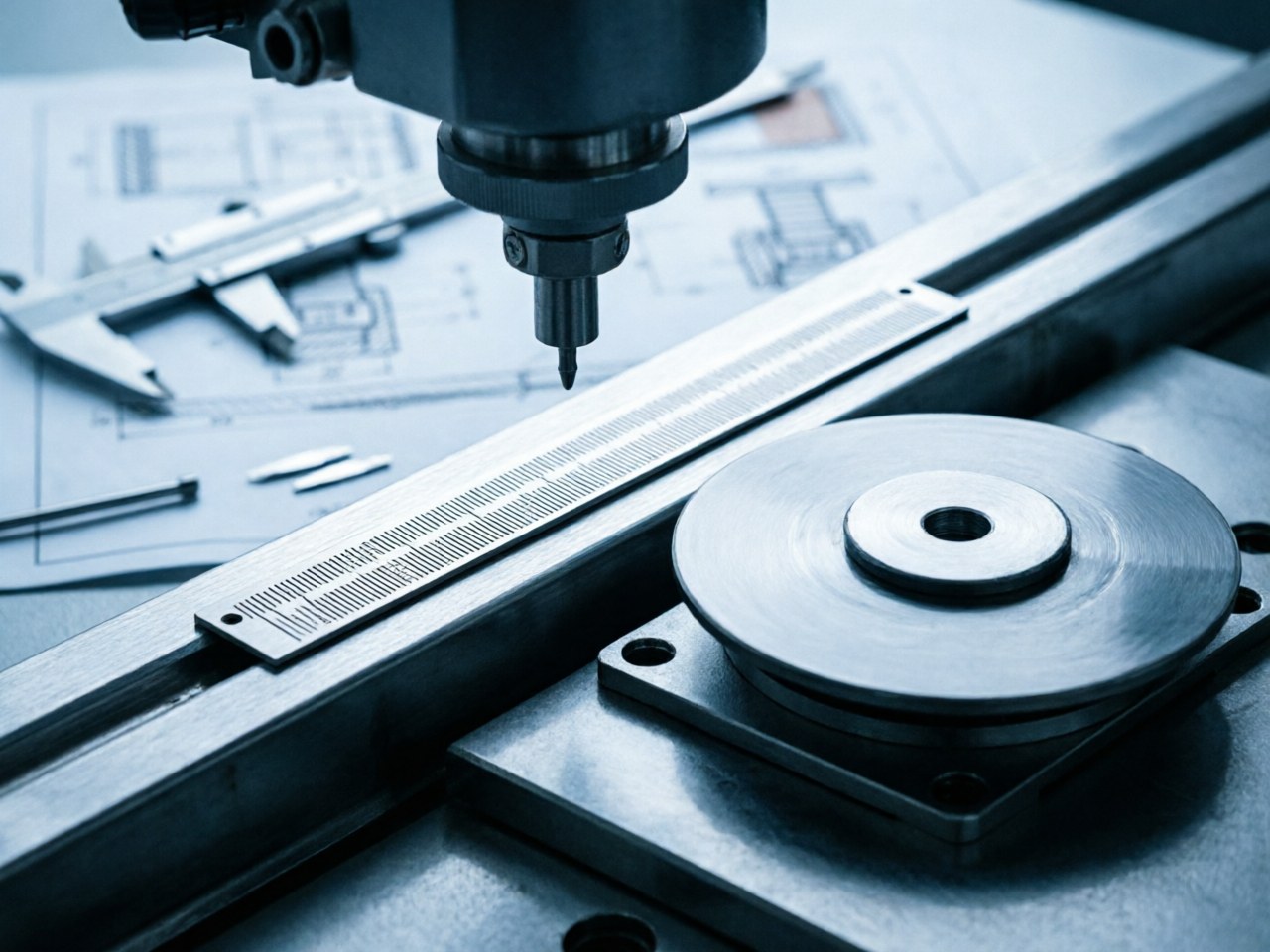
Differences Between Magnetic Scales and Precision Code Discs: How to Select Magnetic Encoding Products
Design engineers in precision motion control frequently struggle to choose between linear magnetic scales and rotary precision code discs. Both offer non-contact position feedback, but mismatching topology to application geometry or misjudging pole pitch and air gap tolerances…

How to Design Magnets for Hall Sensors: Key Considerations on Pole Count, Dimensions, and Magnetic Field Distribution
Author: AIC Engineering (骏材磁应用团队) | Material: | Industry: Key Considerations on Pole Count, Dimensions, and Magnetic Field Distribution Why Hall Sensor Magnet Design Is More Challenging Than It Appears
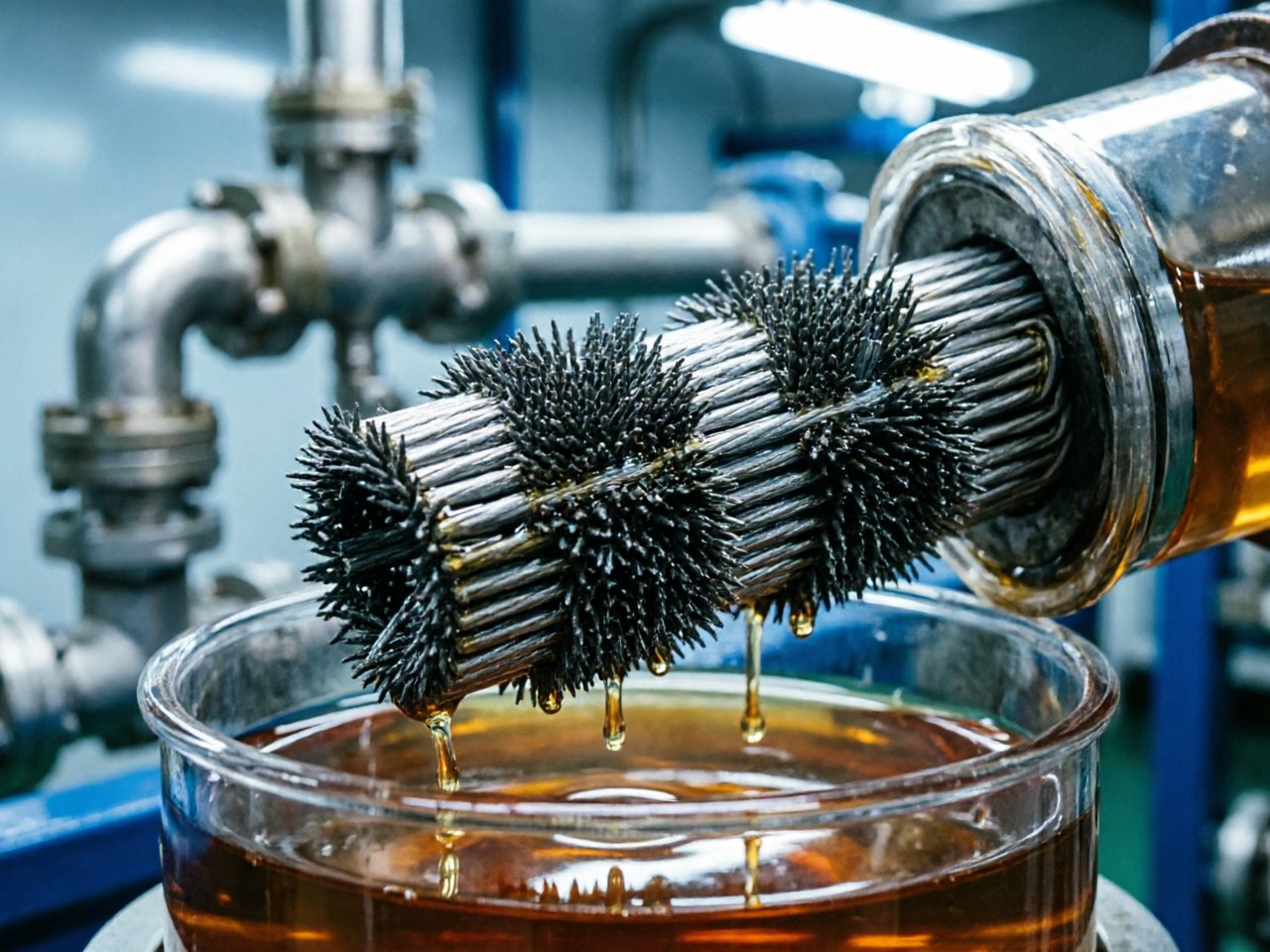
Working Principles and Selection Methods for Magnetic Filtration Systems: How to Remove Ferromagnetic Particles from Fluids
Author: AIC Engineering (骏材磁应用团队) | Material: | Industry: How to Remove Ferromagnetic Particles from Fluids Why Ferromagnetic Particle Contamination Is a Persistent Engineering Problem
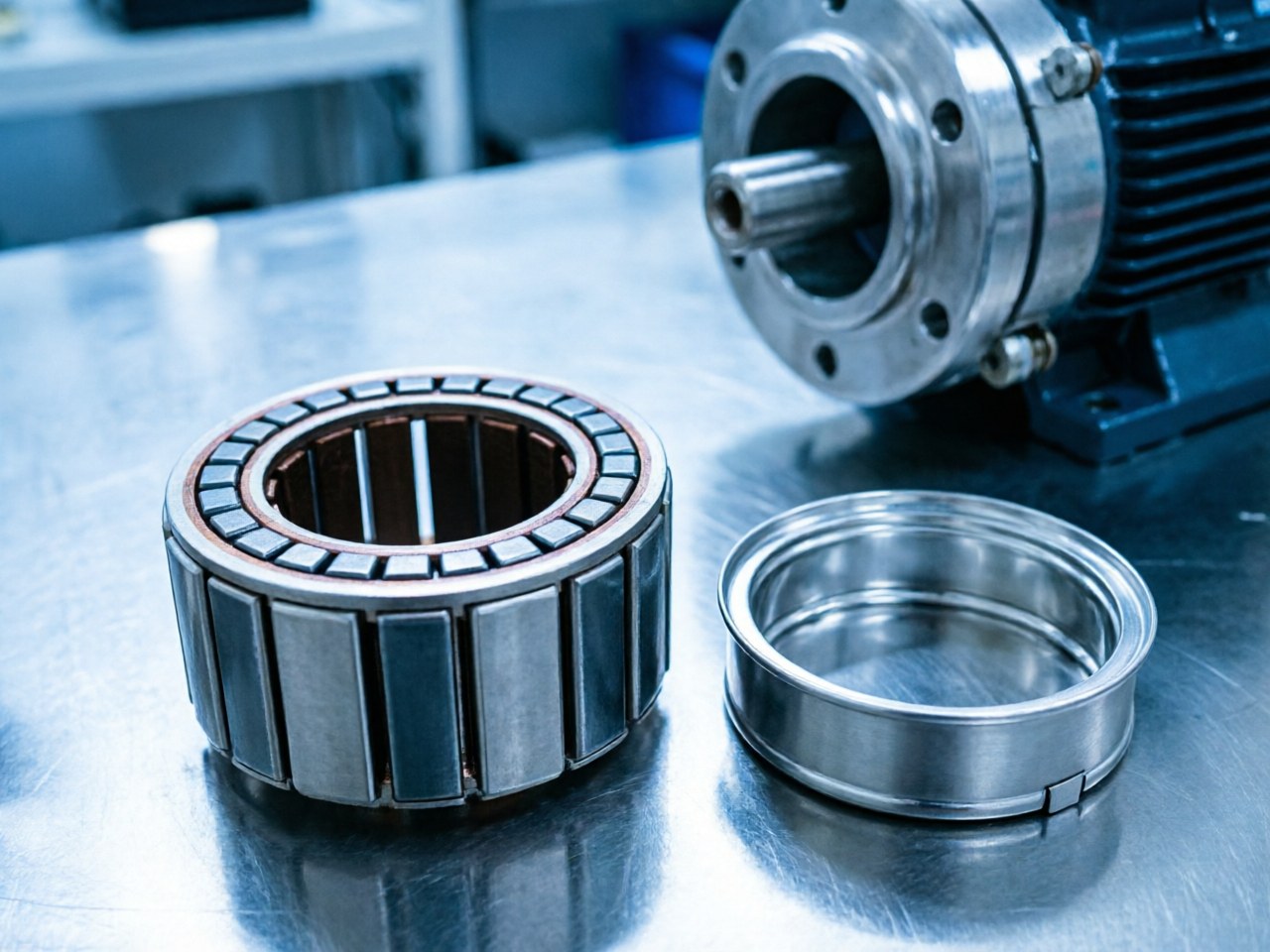
How Magnetic Couplings Achieve Zero-Leakage Torque Transmission: Structure, Principles, and Application Details
Mechanical shaft seals remain a persistent failure point in chemical, pharmaceutical, and offshore pump systems, driving costly downtime, environmental risks, and recurring maintenance expenses. This article examines how magnetic couplings eliminate dynamic seals entirely by…